The decision between custom ADU and prefab ADU shapes how your property grows and how your daily life adjusts around that change. Accessory dwelling units bring flexibility, added living space, and new income potential, especially across California and the Bay Area, where housing demand continues to rise. Still, the route you choose influences everything from design freedom to how smoothly your project moves forward.
Some homeowners want a fully tailored space that reflects the character of their main home. Others feel drawn to the prefab route, attracted by speed and more straightforward pricing. The contrast is less about trend and more about structure, control, and how each choice responds to specific site conditions.
What Custom and Prefab ADUs Really Mean
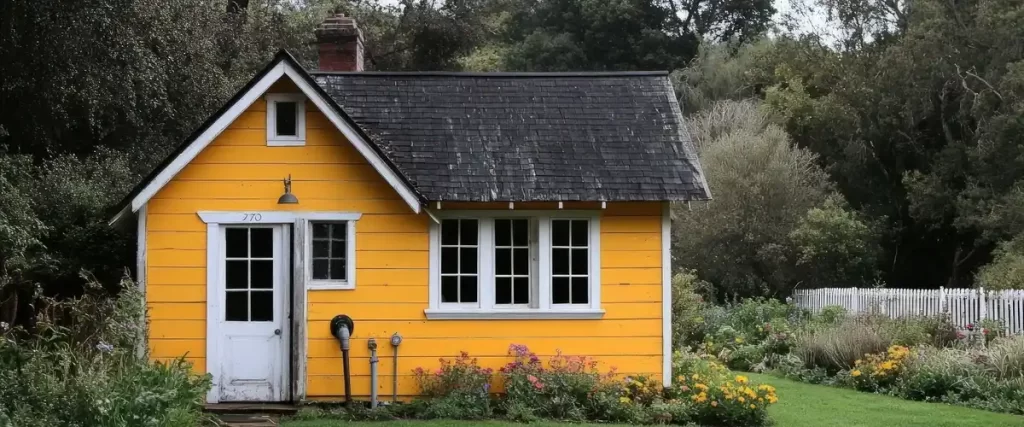
A custom ADU is a custom-built ADU designed from scratch to match your vision, property layout, and surrounding environment. Individual designers collaborate with an ADU company to craft a layout that fits existing structures, local building codes, and practical needs. These stick-built ADUs are constructed directly on site, allowing full customization of style, materials, and spatial flow.
Prefab ADUs are created in a factory setting using prefab modules. Once completed, these units are transported and installed on your property. A prefab company follows standardized processes in controlled conditions, offering repeatable designs and streamlined timelines. Pre-approved plans often support faster permitting and clearer base price estimates.
Both serve the same goal, expanding usable space and improving long-term property value, yet they follow distinct paths to get there.
How Construction Methods Affect the Experience
Construction sets the tone for the entire ADU project. Custom-built units rely on on-site craftsmanship and detailed planning. The build timeline may extend, yet the result often aligns closely with the homeowner’s personal style and functional expectations.
Prefab ADUs move through a production line indoors. Quality control benefits from consistency and weather protection, reducing material exposure and unpredictable delays. After site prep and foundation work, modules are installed quickly, turning an empty yard area into a finished rental unit or guest space within days.
The difference becomes more visible when site constraints appear. Limited space, narrow access points, or uneven terrain may favor one method over the other. Custom design may solve complex layouts more gracefully, while prefab thrives on predictable site conditions.
Pros and Cons Worth Considering
Both ADU options serve different priorities. It helps to weigh practical and emotional factors side by side.
Custom ADU advantages include:
- Full customization to match lifestyle and architectural style
- Ability to adapt around existing structures and unique layouts
- Better integration with the main house for a cohesive appearance
- Potential for stronger resale value due to tailored design
Custom ADU challenges often involve longer build timelines and higher labor costs. Change orders can also raise the final cost when homeowners adjust details mid-project.
Prefab ADU benefits feel appealing for those who value speed and simplicity:
- More straightforward pricing through preset packages
- Controlled environment that enhances quality control
- Faster build timeline from factory to installation
- Predictable outcomes with fewer surprises during construction
Limitations include limited customization and design choices that may not align perfectly with every property.
Cost Differences and Hidden Considerations
At first glance, prefab often appears cheaper. Base price figures from prefab ADU companies highlight attractive entry points. Yet hidden costs may surface during site work, utility connections, or foundation adjustments. Site prep involves leveling, soil assessments, and accommodating existing utilities, each adding to the overall budget.
Custom ADUs tend to carry higher upfront costs due to labor intensity and design involvement. However, homeowners gain clearer insight into material choices, layout specifics, and long-term performance. Those who maintain a better grasp of expenses often feel more confident in the investment.
When comparing bids, it’s wise to account for permitting, utility upgrades, and compliance with local building codes. These elements affect the final number as much as construction itself.
Resale Value and Investment Perspective
ADUs increasingly influence property value and long-term investment returns. A thoughtfully designed unit can increase rental income while enhancing daily functionality. Custom-built spaces often appeal to future buyers, especially when the ADU blends seamlessly with the main home and the surrounding city landscape.
Prefab ADUs may deliver strong short-term benefits, especially as rental units or private living space for family members. Over time, however, resale value depends heavily on quality, visual integration, and durability. In some cases, prefab units face appraisal challenges compared to stick-built models.
Homeowners aiming for multi-generational living appreciate the flexibility that accessory dwelling units provide. Extra rooms accommodate aging parents, adult children, or visiting guests while keeping independence intact.
Design Freedom and Layout Flexibility

Custom design remains one of the strongest draws for a custom ADU. Layout choices reflect personal lifestyle patterns, from open concept kitchens to defined sleeping quarters. Material selection, window positioning, and exterior finishes align with the main house, preserving a unified appearance across the property.
Prefab units rely on set floor plans. While this reduces decision fatigue, it also restricts creative control. For properties with limited space or unconventional layouts, these limitations may feel restrictive.
That said, some homeowners prefer the simplicity of choosing from curated prefab ADU options. The sense of predictability supports those who want efficiency without heavy involvement.
Timeline Expectations and Project Flow
Time matters, especially when rental income or family needs hinge on completion. Prefab units often surpass custom in terms of speed. From factory production to on-site installation, the overall timeline remains efficient if permits move swiftly.
Custom builds follow a slower pace. Detailed planning, inspections, and on-site construction steps extend the duration, yet many homeowners find satisfaction in watching the space evolve gradually.
Permitting within California varies by city, and understanding local requirements helps reduce surprising delays. Pre-approved plans sometimes accelerate approval processes for prefab units, yet zoning challenges can emerge for both pathways.
Quality Control and Craftsmanship
Quality is central to every ADU project. Prefab construction thrives within controlled conditions, limiting exposure to moisture and environmental wear during the build. Repetition refines precision, leading to consistent results.
Custom builds rely heavily on the skill of the construction team. Attention to detail, material selection, and experienced oversight shape the final structure. When executed carefully, custom craftsmanship creates unique spaces with lasting character.
Both approaches can deliver excellent results when managed by a reliable ADU company that respects structural standards and client expectations.
Utility Connections and Infrastructure
Every ADU requires utility integration, including water, electricity, and sewer lines. Prefab units sometimes require additional adjustments during installation to connect seamlessly with existing systems. These steps often carry extra cost and scheduling adjustments.
Custom units allow more precise planning around utility placement, reducing improvisation during later stages. Thoughtful engineering improves efficiency and minimizes waste.
Which Option Fits Your Personal Goals
The choice between prefab and custom ultimately aligns with what you value most. Speed and predictability draw some homeowners to prefab. Expression, personalization, and architectural harmony draw others to custom building.
Both contribute to increased living space, potential rental income, and improved property utility. The path you choose should reflect your comfort level with planning, decision-making, and financial flexibility.
Conclusion
By the time you consider layout details, hidden costs, permitting, and long-term value, the entire process can start to feel overwhelming. Many people realize that working through every variable alone takes time they would rather spend enjoying their home and family. Reaching out for professional support can shift that burden into capable hands, allowing you to focus on the vision instead of the logistics.
If you prefer to let experienced builders manage your ADU project from start to finish, call us at (562) 319-3178 or message us here. For deeper insight into your options, explore our ADU construction page and see how your property can grow with confidence.