Choosing the right type of foundation can be the difference between a house that stands firm for a century and one that starts creaking and cracking after the first big storm.
You want a solid foundation that handles the local soil conditions without costing you a fortune, but you also want something that protects your investment. Let’s break down what a concrete perimeter foundation actually is and why it might be the perfect fit for your new build.
What is a Concrete Perimeter Foundation?
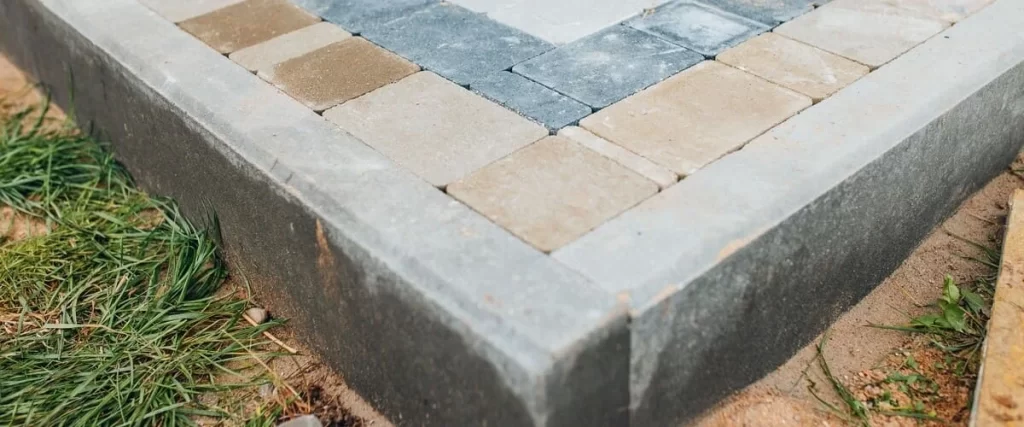
A concrete perimeter foundation consists of a continuous concrete wall that supports the exterior walls of a house. Unlike a monolithic slab where the floor and the edges are poured all at once, this system is often built in stages. It starts with a concrete footing buried below the frost line to ensure the ground’s freezing and thawing cycles don’t shift the entire structure.
Once those footings are set, reinforced concrete stem walls are built on top. These walls create a sturdy ring around the house. This design allows the weight of the home to be distributed evenly across the concrete base. Inside that ring, you usually find a crawl space or a raised foundation, though sometimes the interior is filled with dirt and topped with a slab.
Concrete Perimeter Foundations vs. Concrete Slab Foundations
| Feature | Concrete Perimeter Foundations | Concrete Slab Foundations |
| Structure | Stem walls and footings | Single thick layer of concrete |
| Access | Provides a crawl space for utilities | No access under the floor |
| Cost | Generally higher due to labor/materials | More budget-friendly |
| Flooring | Floor joists (usually wood) | Concrete floor |
| Best For | Sloped lots and varied climates | Flat lots and warm climates |
This is the big debate in the construction world. Slab foundations are incredibly popular because they are fast to build and relatively cheap. You pour the concrete, and boom, you have a floor and a foundation. However, if a pipe bursts under a slab, you’re breaking out the jackhammer.
A perimeter foundation offers more flexibility. Because there is a space between the ground and the floor, plumbing and electrical systems are easy to reach. This crawl space also acts as a buffer. If you live in an area with high moisture, a raised foundation keeps your living space further away from the damp soil.
What About Post and Pier Construction?
You might also hear about post and pier construction. This is similar to a perimeter system but lacks the continuous wall. Instead, the house sits on individual piers or concrete footer points. While a pier construct is great for very steep hills, it doesn’t offer the same level of protection against pests or drafts as a solid perimeter wall does.
The Pros: Why Choose a Concrete Perimeter System?
There are several reasons why a concrete perimeter remains a popular choice for residential foundations.
- Adaptability: If your lot isn’t perfectly flat, the contractors can adjust the perimeter wall to create a level base for the home.
- Maintenance: Having access to your pipes and wires is a lifesaver in the long run.
- Comfort: Wood-framed floors over a crawl space generally have more “give,” which is easier on your joints than a solid concrete floor.
- Flood Protection: Raising the entire structure above ground level can protect the home from minor surface-water issues.
The Cons: What to Watch Out For with Concrete Perimeter
Of course, no foundation type is perfect. If you understand the drawbacks, you can plan for them.
- Expense: You are using more materials and more labor. It’s a multi-step process that takes time.
- Moisture Control: That crawl space can trap humidity. You need proper drainage and ventilation to prevent mold or wood rot in the floor joists.
- Heat Loss: In colder areas, an uninsulated crawl space can lead to significant heat loss through the floor, making your family room feel chilly in the winter.
- Pests: If the perimeter wall isn’t sealed correctly, critters might find the space under your house very inviting.
The Importance of Soil and Drainage
Before you pour a single drop of concrete, you have to look at the soil. Different soil conditions require different engineering. For example, expansive clay can swell and push against foundation walls, causing them to bow.
This is why a concrete footer must be sized correctly for the weight of the house. Additionally, drainage is everything. You want water to drain away from the structure, not pool against the concrete wall. Many builders will install gravel and perforated pipes around the exterior to ensure the solid foundation stays dry.
How a Concrete Perimeter Foundation is Built
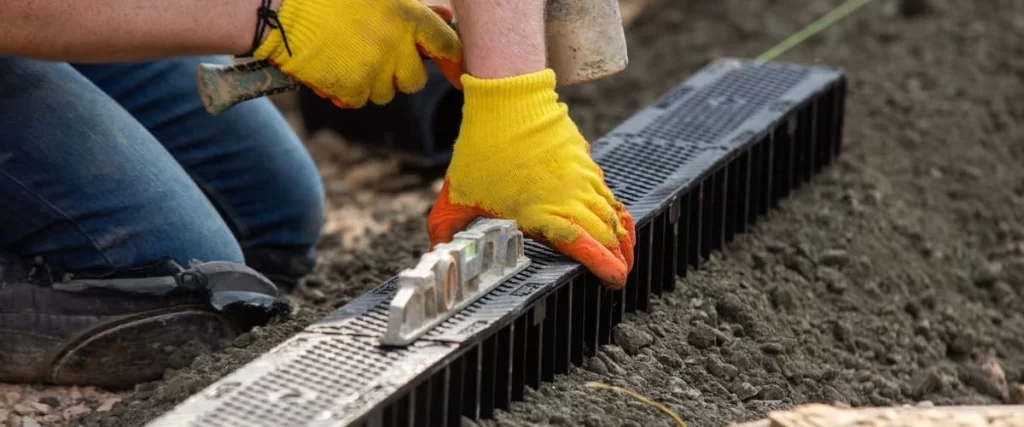
The construction process is pretty fascinating if you like seeing how things are put together. First, the crew digs trenches for the footings. Then, they lay down the steel rebar to give the concrete tensile strength. Without those steel bars, the concrete would be brittle and prone to snapping under the immense weight of the house.
After the poured concrete in the footings cures, the foundation walls are built. These can be made of poured concrete using forms, or sometimes they are constructed using concrete blocks (CMUs). If you use blocks, they are often reinforced with more steel and grout to ensure structural integrity.
Once the walls reach the desired height above ground level, the floor joists are installed across the top. This creates the raised floors that many homeowners love because they feel a bit softer to walk on compared to a hard concrete slab.
Is a Concrete Perimeter the Right Foundation for You?
Choosing the right foundation depends on your budget, your lot, and how long you plan to stay in the home. If you are building a forever home on a site with a slight slope, the concrete perimeter foundation is a winner. It provides a level of accessibility and durability that monolithic slab systems just can’t match.
While slab foundations work great in warm climates with sandy soil, they lack the versatility of a raised perimeter foundation. If you want a basement or a functional crawl space, this is the direction you have to go.

Frequently Asked Questions
How long does a concrete perimeter foundation last?
When built correctly with steel bars and proper drainage, these foundations can easily last over 100 years. The concrete itself is incredibly durable, provided it’s protected from constant water saturation.
Is it more expensive than a slab?
Typically, yes. You have to account for the extra excavation, the forms for the foundation walls, and the framing for the raised floors. However, the long-term benefits of easier repairs often offset the initial cost.
Can I turn a perimeter foundation into a basement?
Absolutely! A basement is just a very deep perimeter foundation. If you dig deep enough and reinforce the concrete wall to handle the lateral pressure of the soil, you’ve created a basement.
Does it help with resale value?
Many buyers prefer raised foundations because they associate them with higher-quality construction and easier maintenance. It can certainly be a selling point.
How do I prevent moisture in the crawl space?
Using a vapor barrier on the ground and ensuring the exterior walls have adequate vents is key. Some homeowners even choose to encapsulate the space for maximum moisture control.
Let Us Handle the Heavy Lifting
You shouldn’t have to become a structural engineer just to build your dream home. Instead of stressing over footings and drainage systems yourself, why not let the experts take over?
At Cornejos Builders, we live and breathe this stuff. We’d love to help you get your project off the ground. If you’re ready to start building a home on a solid foundation, call us at (562) 319-3178 or message us here.