You notice a hairline crack running down your basement wall. At first, you tell yourself it’s nothing. But then it rains, and suddenly there’s a damp spot spreading across the floor. That tiny crack? It’s now a legitimate problem screaming for attention.
Concrete foundation repair doesn’t have to become a nightmare that drains your savings. If you catch foundation damage early and know what you’re dealing with, you can often handle smaller issues yourself. The larger problems will need professional help, but understanding what’s happening beneath your home puts you in control.
Let’s walk you through what actually works when your foundation starts showing signs of trouble.
Understanding Foundation Damage and When to Act
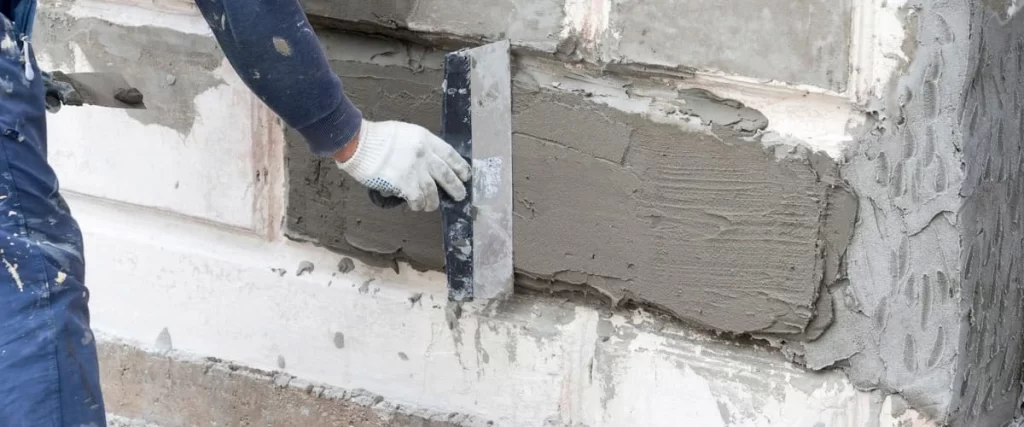
Foundation problems don’t announce themselves with fanfare. They creep up slowly. You might notice doors sticking in their frames or windows that suddenly won’t open smoothly. Maybe cracks are appearing in your drywall, or the basement feels damper than usual.
These signs tell you something’s shifting underground. The soil beneath your house expands and contracts with changes in moisture, creating pressure against the foundation walls.
Too much water saturating the ground pushes against concrete, while drought conditions cause soil to shrink away, leaving gaps.
Here’s what different types of damage typically mean:
| Problem | What It Looks Like | Urgency Level |
| Hairline cracks | Thin vertical lines, less than 1/8 inch | Monitor closely, seal to prevent water intrusion |
| Horizontal cracks | Lines running sideways across walls | High priority, indicates serious pressure |
| Stair-step cracks | Zigzag pattern in mortar joints | Medium to high, suggests settlement issues |
| Large gaps | Openings wider than 1/4 inch | Immediate attention needed |
| Water seeping | Visible moisture or standing water | Address quickly to prevent mold and further damage |
The DIY Approach for Minor Foundation Crack Repair
Small cracks under 1/4 inch wide? You can probably handle those yourself and save money in the process. The key is to use the right materials and understand what you’re actually fixing.
Hydraulic cement works beautifully for active leaks. This stuff sets up fast, even underwater, making it perfect for spots where water is actively seeping through. Mix it to a thick consistency, press it firmly into the crack, and hold it there for a few minutes while it begins to set. The chemical reaction generates heat, so don’t be alarmed when it warms up in your hands.
For stable cracks that aren’t leaking, epoxy injections provide a more permanent solution. Here’s the basic process:
- Drill small holes along the crack at regular intervals (typically every 8-12 inches)
- Clean out any debris using a wire brush and vacuum
- Install injection ports in the drilled holes
- Start from the bottom and inject epoxy resin using a caulking gun
- Work your way up, letting the epoxy flow into the crack
- Remove ports after the epoxy cures and patch the surface holes
The epoxy flows through the crack and hardens, essentially welding the concrete back together. It’s stronger than the surrounding material once it cures.
The concrete patching process requires some patience. Clean out the crack thoroughly, removing any loose debris or crumbling concrete. A clean surface ensures the repair material actually bonds rather than just temporarily filling space.
Maintaining Your Repaired Foundation
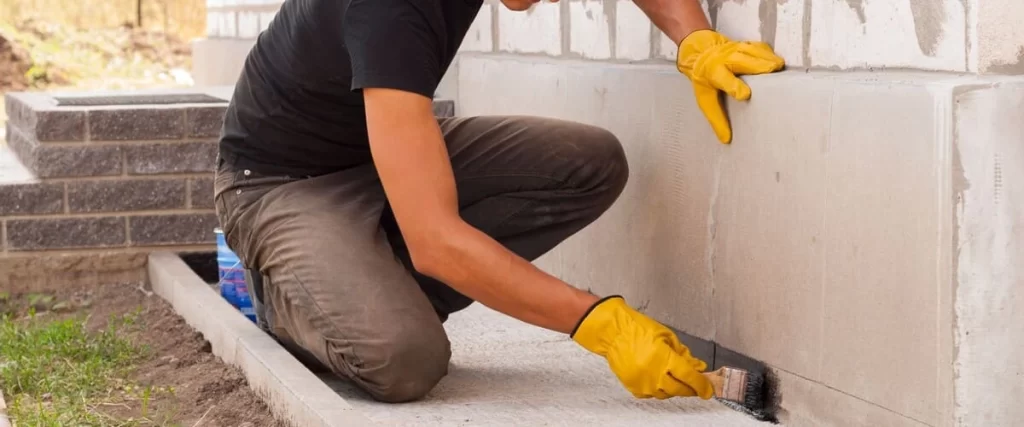
Once you’ve fixed foundation cracks, the work isn’t quite done. The repaired area needs protection and monitoring to ensure the fix actually holds:
- Paint or seal the patched sections once the repair material has fully cured. This creates a protective layer against moisture and makes it easier to spot new cracks if they develop. Basement walls benefit from waterproofing paint, which adds another barrier against water intrusion.
- Check your foundation regularly. Walk around your basement or crawl space every few months, looking for new cracks, moisture spots, or changes in existing repairs. Catching problems early helps prevent the need for major reconstruction.
- Keep that soil around your foundation at a consistent moisture level. Water deeply but infrequently during dry spells, and ensure good drainage during rain. Extreme fluctuations in soil moisture create the pressure changes that damage concrete in the first place.
Preventing Water Damage to Your Concrete Foundation
Water is concrete’s biggest enemy. Managing moisture around your foundation prevents the most serious problems before they start.
Your gutters and downspouts need attention first. When they clog or dump water right next to your foundation, that water soaks into the soil and creates pressure against the foundation walls. Downspouts should extend at least six feet away from your house. Ideally, the ground should slope away from the foundation at a rate of about six inches over ten feet.
Here are the most effective water management strategies:
- Install french drains to collect groundwater and channel it away before it accumulates against the basement walls
- Add a sump pump to handle water that does make it inside, automatically pumping it out before flooding occurs
- Grade your yard properly so surface water flows away from the house, not toward it
- Apply waterproof coatings to exterior foundation walls during construction or renovation projects
Soil composition matters more than most homeowners realize. Clay soil expands dramatically when wet and shrinks when dry, creating constant pressure changes. Adding a layer of proper fill dirt around your foundation and maintaining consistent moisture levels helps stabilize everything.
The Federal Emergency Management Agency provides excellent resources on flood prevention and foundation protection for homeowners dealing with water issues.
Professional Solutions for Serious Foundation Problems

Some foundation issues go beyond weekend DIY projects. When you’re dealing with structural movement, extensive cracking, or problems affecting your entire home, it’s time to bring in experts who specialize in this work.
Push piers and helical piers represent serious engineering solutions. These systems get installed deep into stable soil beneath your foundation, transferring the weight of your house to solid ground.
Push piers work through hydraulic pressure, driving steel tubes down until they hit bedrock or dense soil layers. Helical piers screw into the ground like massive anchors, their spiral plates gripping the earth.
The home builders at Cornejos Builders understand foundation systems inside and out. We’ve seen everything from minor settling to complete foundation failures, and we know which solutions actually last.
Frequently Asked Questions About Foundation Repair
How much does it typically cost to repair a concrete foundation?
Minor crack repairs you do yourself might cost $50-200 in materials. Professional repairs for moderate damage run $2,000-7,000, while major structural issues with pier installation can reach $10,000-30,000. The price depends entirely on the severity and extent of damage.
Can I just fill cracks with regular concrete mix?
Regular concrete works for surface repairs on driveways or garage floors, but foundation cracks need specialized materials. Hydraulic cement or epoxy provides the flexibility and bonding strength that standard concrete lacks. Regular mix will crack again quickly.
Will foam injection actually work for foundation repair?
Polyurethane foam injection effectively lifts and stabilizes settled concrete slabs. It fills voids under the foundation and expands to provide support. However, it doesn’t address the underlying causes of settlement, so you need to address drainage issues as well.
How long does foundation repair typically last?
Quality repairs using proper materials and techniques should last decades. Epoxy injections and pier systems often come with 25-year warranties. The longevity depends on addressing what initially caused the damage, particularly water management around your foundation.
Making the Smart Choice for Your Home
Professional foundation contractors bring specialized equipment, years of experience spotting hidden issues, and the knowledge to determine if that crack is just settling or the first sign your entire home is shifting. They also carry insurance that protects you if something goes wrong during the repair process.
If your foundation is showing signs of damage, get expert eyes on it before deciding anything. Call us at (562) 319-3178 or message us here to schedule an inspection. Sometimes the best decision is knowing when to let professionals handle the heavy lifting.