Building an accessory dwelling unit feels like it takes forever. You’re juggling permits, coordinating contractors, and wondering if your project will ever break ground. The waiting becomes exhausting when you need extra space now, whether that’s rental income to help with the mortgage or a place for aging parents.
Timeline matters more than almost anything else when you’re planning an ADU. Every month of delay costs you potential rental income, pushes back when the family can move in, or extends how long you’re dealing with construction disruption. Some builders drag projects out for 18 months or longer. Others finish in half that time.
The difference comes down to preparation, experience, and systems that actually work.
What Determines ADU Construction Speed
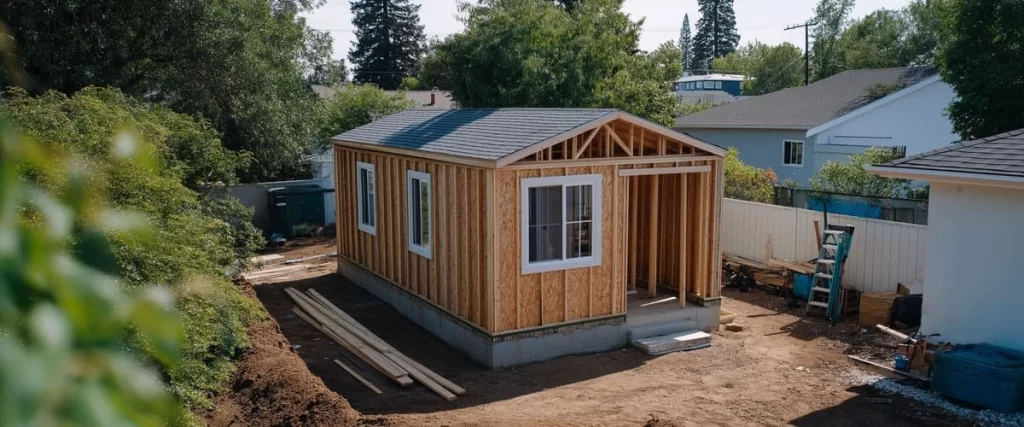
Several factors control how quickly your ADU goes from concept to certificate of occupancy. Understanding these helps you set realistic expectations and choose an adu builder who won’t waste your time.
Permit processing takes the longest for most projects. Orange County and Los Angeles both require multiple reviews before construction begins. The California Department of Housing and Community Development has streamlined some ADU regulations, but local officials still handle the actual permitting. This stage alone can stretch from two to six months, depending on your city and how complete your application is.
Design complexity affects everything downstream. A simple 600-square-foot studio with standard finishes moves faster than a two-story, 1,200-square-foot unit with custom features. More complexity means more time for design, more potential permit questions, and longer construction.
Builder capacity and scheduling play huge roles, too. Some contractors juggle too many projects and leave yours sitting idle for weeks between work phases. Others maintain focused crews that show up consistently until the job finishes.
Site conditions can speed things up or slow everything down. Level lots with easy access, existing utilities nearby, and no drainage issues let crews work efficiently. Sloped terrain, limited access, or utility complications add time and cost.
Average ADU Construction Timelines in Southern California
Most ADU projects in Orange County and Los Angeles take between 12 and 18 months from initial consultation to final inspections. That includes design, permits, construction, and close-out.
The fastest projects finish in 8 to 10 months when everything aligns perfectly. You need pre-designed plans that meet local regulations, a site without complications, efficient permit processing, and experienced builders with available crews ready to start immediately.
Here’s how time typically breaks down:
- Initial design and blueprints: 1-2 months for custom designs, or 2-3 weeks if you’re using pre-approved plans
- Permitting process and approval: 2-6 months, depending on your city and application completeness
- Foundation and framing: 4-6 weeks once the project starts
- Rough utilities and inspections: 3-4 weeks for plumbing, electrical, and HVAC installation
- Exterior finishing: 2-3 weeks for siding, roofing, and windows
- Interior completion: 4-6 weeks for drywall, flooring, cabinets, and fixtures
- Final inspections and close-out: 2-3 weeks for inspections and any punch-list items
The approval process causes most delays. Some cities handle ADU permits in 60 days. Others take four to six months for the same structure. Los Angeles has improved its ADU permitting recently, but you’ll still wait months in many cases.
How Fast Builders Cut Months Off Your Project
Experienced builders use specific strategies to compress timelines without cutting corners.
They submit complete permit applications the first time. Incomplete applications get rejected and sent back, which restarts the clock. Design-build firms that know what each jurisdiction requires include all necessary documentation upfront, from structural calculations to energy compliance forms.
They maintain relationships with local building departments. When inspectors know a builder’s work consistently passes, they often schedule inspections faster. Questions get answered quickly instead of through formal channels that take days.
Pre-approved plans eliminate weeks from the design phase. Many builders offer catalog designs that already meet legal requirements. You pick a plan, make minor customizations, and move straight to permits instead of starting from scratch. Prefab ADUs offer similar advantages when they fit your vision and site.
Efficient scheduling keeps crews moving. The fastest builders coordinate trades so your project stays on track with no downtime waiting for the next phase. When framers finish, plumbers arrive the next day instead of two weeks later.
They stockpile materials before construction begins. Supply chain delays have disrupted countless projects recently. Builders who order long-lead items like windows and appliances months in advance avoid costly delays waiting for materials.
Site Preparation and the Exciting Part
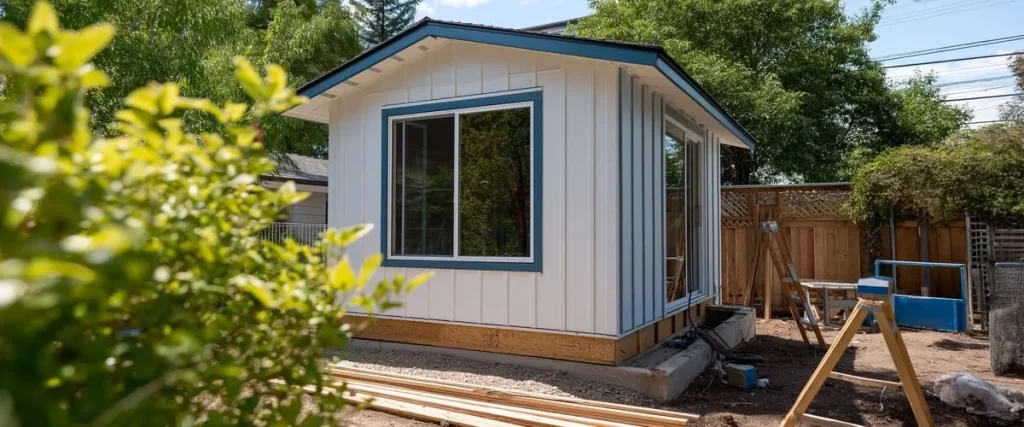
Once permits arrive, site preparation begins. This phase determines whether your project runs smoothly or hits unexpected problems.
Good builders survey the property thoroughly before anything happens. They locate utilities, check drainage, verify property lines, and identify potential obstacles. Garage conversions often move faster since the foundation already exists, though electrical and plumbing still need updates to meet current codes.
Clear communication during this phase matters enormously. You need to know what’s happening, when crews will arrive, and what decisions require your input. Builders who go silent for weeks leave you anxious and uncertain.
The exciting part comes when the structure starts taking shape. Framing goes up quickly, and you can finally walk through your future rental unit or living space. This phase typically moves fastest because crews can work without waiting for inspections between every step.
Cities With the Fastest ADU Processing
Some Orange County and Los Angeles area cities process ADU permits significantly faster than others.
Santa Ana typically reviews ADU applications within 60 days when the paperwork is complete. The city has dedicated staff for ADU reviews and clear guidelines that reduce back-and-forth. Size limits are straightforward, which helps avoid delays.
Anaheim has streamlined its process and often approves straightforward projects in two to three months. The city actively encourages ADU development and has removed many barriers that used to slow things down.
Pasadena offers relatively quick turnaround compared to other LA County cities. Their planning department has experience with accessory dwelling units and processes applications efficiently.
Los Angeles city itself has improved dramatically. What used to take eight months now often finishes in three to four months, though complex projects still face delays based on the city’s workload and specific requirements.
Conversely, some smaller cities lack dedicated ADU staff and take much longer. Projects in cities that rarely see ADU applications can stretch to six months or more just for handling permits.
Financing Considerations That Affect Timelines
How you pay for construction affects your schedule, too. Construction loans require draws at specific milestones, which means builders need to coordinate funding releases with project phases. Home equity lines of credit offer more flexibility but tie up your primary residence as collateral.
Some homeowners split financing between savings and loans to reduce interest costs. Others use cash to avoid lender requirements that can slow things down. Your financing approach should match your budget and timeline goals.
Interest accumulates during construction, so faster completion saves money. A six-month difference in project length on a $200,000 build financed at 8% costs you roughly $8,000 in interest charges.
Property Value and Long-Term Benefits

Detached ADUs typically add more value than attached units. The separation provides privacy that buyers and renters appreciate. Well-designed units can increase property value by $100,000 to $200,000 or more, depending on your neighborhood and the quality of construction.
Aesthetic appeal matters for value too. A unit that looks like it belongs with your house instead of an afterthought commands better rents and higher resale value. Good builders understand this and design structures that complement your existing home’s style.
Beyond immediate value, ADUs create flexibility for life changes. Aging parents might need space now. Adult children might need somewhere to live while saving money. Or you might want rental income to offset your mortgage. Fast completion means you can adapt to life circumstances sooner rather than waiting another six months.
Red Flags That Signal Slow Timelines
Watch for warning signs when interviewing builders. Some indicate you’ll face unnecessary delays.
Builders who promise unrealistic timelines like six months total either don’t understand the process or won’t communicate honestly when delays happen. The fastest legitimate timeline in Southern California is about eight months for simple projects with luck and favorable local rules.
If they can’t start for three or four months, you’re already behind schedule before anything happens. Busy builders might be good, but if they’re too busy, your project sits idle.
Vague answers about permit expertise in your specific city suggest they’ll learn on your dime. You want someone who’s pulled permits in your jurisdiction multiple times and knows the local requirements cold.
Poor communication during the estimate phase predicts worse communication during construction. If they take days to respond to simple questions now, expect weeks of silence when you need updates later.
Why Speed Matters Beyond Just Waiting
Faster completion means rental income starts sooner. A $2,500 monthly rate means a six-month delay costs you $15,000 in lost revenue. That’s real money that affects your return on investment and how quickly the unit pays for itself.
Construction loan interest adds up during longer projects. If you’re financing the build, every extra month costs you interest payments without any income to offset them. The budget you carefully planned can spiral when projects drag on.
Market conditions can shift during extended timelines too. Material costs, labor rates, and rental markets all change over time. Finishing faster locks in your costs and lets you start benefiting from current market rents before conditions change.
Let Us Handle the Timeline for You
Reading about permits, coordination, and construction phases probably sounds exhausting. All those moving parts, potential delays, and decisions add up to months of stress you didn’t sign up for.
We’ve built dozens of ADUs across Orange County and Los Angeles. Our projects typically finish in 10 to 12 months because we’ve refined every step of the process. We know which cities process permits faster, what documentation prevents delays, and how to keep construction moving without gaps.
Our tech-forward approach means you get regular updates through a client portal. You can see exactly where your project stands, when the next milestone happens, and what decisions need your attention. No guessing, no chasing us for information.
If you’d rather get your ADU built efficiently than spend the next year managing contractors and chasing permits, call us at (562) 319-3178 or message us here. We’ll walk you through realistic timelines for your specific property and show you how we keep projects on track from design through final inspection.
For more information about our ADU services and approach, check out our ADU contractor page.