A professional foundation inspection typically costs between $300 and $750, takes one to two hours, and protects property owners from repairs that can reach $7,000 or spiral well past $30,000 if foundation problems go ignored.
Inspectors evaluate foundation walls, crawl space conditions, drainage patterns, and signs of foundation movement throughout the entire home.
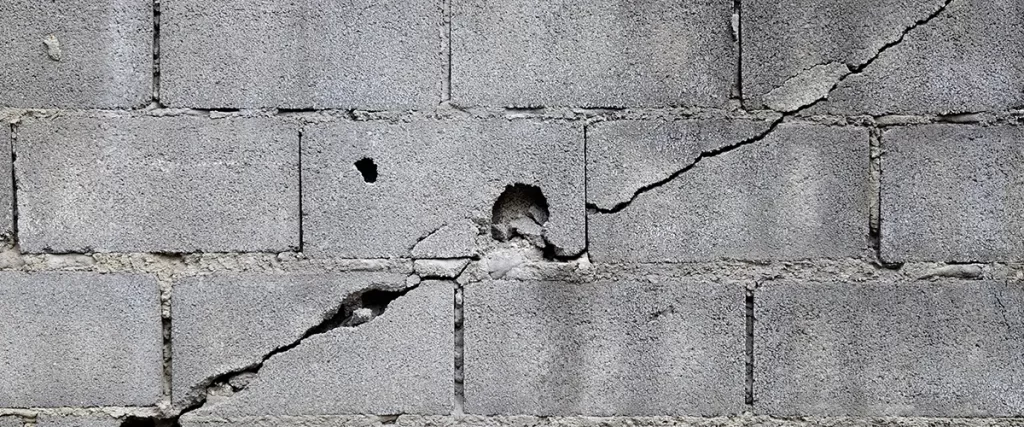
The most common warning signs are horizontal cracks in basement walls, stair-step cracks in brick, uneven floors, and doors or windows that suddenly won’t close properly.
Key Components of a Typical Foundation Inspection
When a licensed structural engineer or certified foundation inspector visits your home, they work through a systematic foundation inspection checklist.
They walk the entire perimeter, enter the crawl space if one exists, check interior walls for cracks and other structural issues, and look for clues across the entire home that point to foundation movement or further damage.
Here’s a snapshot of what a thorough inspection covers:
- Exterior foundation walls for visible cracking, spalling, and water intrusion
- Interior basement walls or crawl space walls for horizontal cracks, bowing walls, and moisture levels
- Floor levelness using a laser level or manual gauges across multiple points
- Doors and windows for gaps, sticking, or misalignment from foundation movement
- Drainage and grading around the property’s perimeter
- Standing water and soil erosion near the building’s foundation
Foundation type is a critical aspect of every inspection. The conditions a foundation inspector looks for vary depending on which system your home sits on:
| Foundation Type | Common Problems | Inspection Complexity |
| Slab on Grade | Cracking, moisture seepage, soil movement | Lower, easier access |
| Pier and Beam | Uneven floors, wood rot, crawl space moisture | Moderate, requires entry |
| Basement | Bowing walls, horizontal cracks, water intrusion | Higher, most thorough |
| Crawl Space | Beam deterioration, pest damage, moisture problems | Moderate, physical entry |
Pier-and-beam foundations are particularly vulnerable, and home foundation inspections must address this carefully.
The crawl space spreads the home’s full load across beams, joists, footings, and piers. If moisture levels rise and wood deteriorates, you’ll feel it in your floors long before the source becomes visible.
Spotting these foundation types and their specific failure patterns is routine for experienced professionals.
If you’d like to understand how different foundation systems are engineered from the ground up, our blog on concrete perimeter foundations covers the construction logic behind crawl spaces, slab systems, and full basements.
Foundation Inspection Cost in 2026
Most homeowners pay between $300 and $3,000, with the national average around $600.
A structural engineer brought in specifically to assess your home’s structural integrity and issue a formal written report typically sits at the higher end. A home inspector evaluating foundation concerns during a broader home inspection costs less.
Inspection costs vary depending on several factors:
- Foundation size and complexity, since larger or harder-to-access systems take significantly more time
- The property’s location, because labor rates are higher in markets like Los Angeles
- Foundation type, since finished basements and elevated pier and beam foundations take longer than slab on grade
- Urgency, as post-earthquake or post-flood assessments command a higher cost
Some contractors offer free foundation inspection services. An independent, licensed engineer with no financial stake in whether repairs are made tends to give property owners a clearer, unbiased view of their foundation’s condition.
Common Signs of Foundation Damage
Not all cracks require repair. Small cracks from normal concrete curing are common and often benign. The patterns below call for immediate action:
- Horizontal cracks in basement walls. Unlike vertical cracks that form during normal settlement, horizontal cracks signal lateral soil pressure actively pushing against the structure, which leads to bowed walls and serious damage if ignored.
- Stair-step cracks running through brick or masonry. They typically point to differential settlement where one section of your home’s foundation drops faster than adjacent sections.
- Uneven floors, cracks in walls around door frames, and sticking doors or windows are all common signs of foundation movement that deserve a professional inspection rather than a wait-and-see approach.
The U.S. Department of Housing and Urban Development’s research on residential foundations documents that soil movement is a leading cause of significant structural damage in residential homes, especially on slab-on-grade systems in clay-heavy soil conditions widespread throughout Southern California.
It’s vital to respond quickly, as foundation damage compounds.
The Cost of Waiting
Catching a foundation problem early keeps repairs manageable.
Minor crack sealing runs around $250 to $800. Once foundation problems advance to moderate settlement, piering work typically starts at $7,000 to $10,000 and can reach $30,000.
Major structural underpinning pushes well past that, and a full foundation replacement starts at $30,000 and climbs considerably higher.
Regular foundation inspections are a practical part of home maintenance, not only something to schedule after spotting a crack. They also provide documentation that matters to potential buyers, insurers, and lenders evaluating your property’s condition.
Frequently Asked Questions
Does a regular home inspection cover foundation issues?
A home inspector will note visible foundation concerns, but a standard home inspection is not a substitute for a dedicated professional foundation inspection. If your home inspector flags structural problems, a separate assessment by a licensed structural engineer is the right next step.
How long does a foundation inspection take?
One to two hours for most homes. Larger properties or those with finished basements and complex crawl space conditions take longer, and inspectors may return for follow-up if they identify areas needing further evaluation.
Can I check my own foundation?
Walking the perimeter and noting obvious cracks or standing water is a useful starting point. Experienced professionals, however, bring calibrated tools, a trained eye for structural issues, and the ability to provide documentation that carries weight with insurers and potential buyers. The cost of a foundation inspection is minor compared to the cost of missing something.
What’s the difference between a home inspector and a structural engineer for foundation work?
A structural engineer is a licensed professional who can evaluate the home’s full structural integrity, assess load-bearing capacity, and issue a certified written report. A home inspector may flag foundation concerns, but cannot provide the same depth of analysis.

Stop Managing This Yourself
Going through inspection checklists, crack types, and repair estimates is a lot to navigate when the real goal is a home sitting on a stable base.
Cornejo’s Builders handles foundations correctly from the start, managing everything from structural planning through construction across Downey, Cerritos, Whittier, and greater Los Angeles and Orange County.
See what that process looks like on our home builder page, call us at (562) 319-3178, or message us here.