Choosing between modular vs manufactured homes often starts with a simple question about price and ends with deeper considerations about lifestyle, longevity, financing, and how a new home will feel in a neighborhood. Both options serve people who want efficient construction and controlled costs, yet both follow different rules, building codes, and structural approaches. That difference shapes everything from mortgage approval to the way a property gains value over time.
Some buyers imagine mobile homes from decades past and worry about safety or quality. Others picture modern modular homes offer flexibility and beautiful architectural styles. The reality sits in between, grounded in regulation, materials, and how each structure becomes part of the land.
What Defines Modular and Manufactured Homes
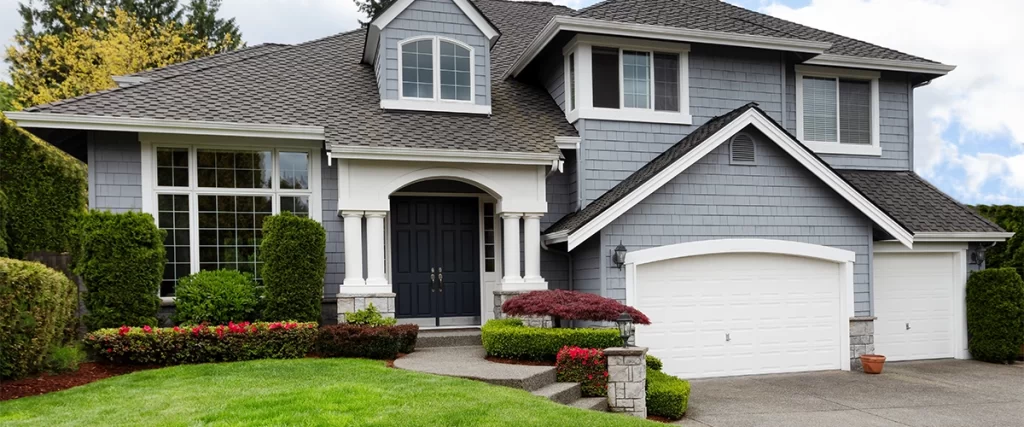
Modular homes are constructed in sections within a factory environment. Each section is built indoors, protected from weather, then transported to a home site where it is assembled on site and placed on a permanent foundation. These homes follow the International Residential Code and local building codes similar to traditional site-built homes. Once set, they are permanently affixed and considered real property.
Manufactured homes are also built in a factory, but they follow the HUD code, a national standard managed by Housing and Urban Development. They ride on a steel chassis and a metal frame that stays with the structure even when placed on land. Many remain classified as personal property unless they become permanently attached to a foundation and meet specific local requirements.
The Manufactured Housing Institute often emphasizes that modern manufactured housing offers improved quality, better safety, and refined design when compared to older mobile homes. Still, the structural approach remains distinct from modular house construction.
How Construction Methods Shape the Outcome
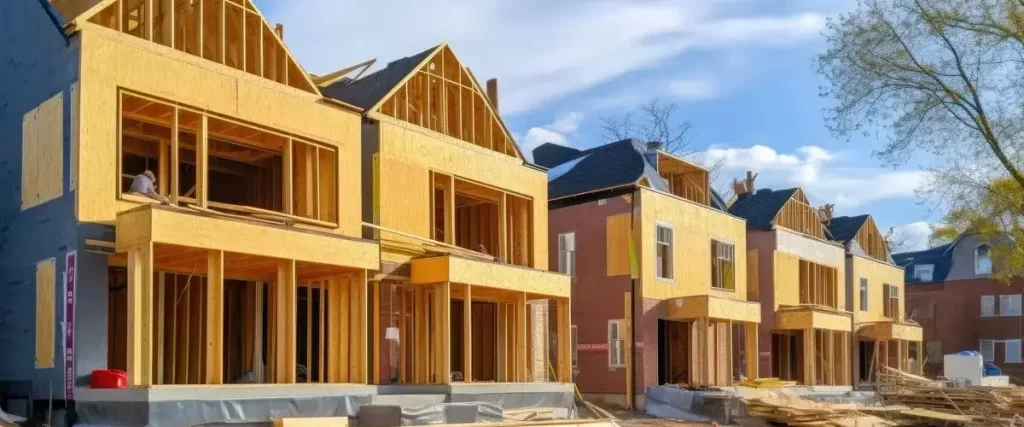
Factory construction changes the pace and control of the process. Modular homes tend to arrive in segments that resemble large building blocks. These blocks form full rooms, complete with wiring, plumbing, and finishes. Site-built houses slowly rise through stick-built methods, exposed to outdoor conditions and longer timelines.
Manufactured homes move along an assembly line. The entire structure is built on a steel base, transported as single-wide, double-wide, or even triple-wide units, then placed on a prepared site. Speed is a major benefit here, yet the framework will always carry that chassis.
Pros and Cons That Buyers Consider
The decision involves daily living, future resale, and how the property fits within its surroundings. Some people prioritize affordability, others focus on permanence and design.
Modular homes bring notable advantages:
- Higher quality control during indoor construction
- Compliance with regional building codes similar to traditional builds
- Wide range of architectural styles suitable for urban development
- Better alignment with traditional mortgage options
- Increased likelihood of being considered real property
Manufactured homes also offer appealing benefits:
- Lower upfront cost compared to site-built houses
- Less time from order to move-in, thanks to assembly line efficiency
- Accessible entry point for first-time buyers
- Flexible placement on purchased land
There are trade-offs as well. Manufactured units can face higher interest rates and limited financing due to classification as personal property. Modular structures need a construction loan and careful coordination for foundation work, which adds complexity and planning.
Cost Comparison and Long-Term Value
Price tags may look similar at first glance, yet the long-term financial picture often separates the two types of homes. Modular homes usually cost more per square foot than manufactured options, yet they closely mirror the value trajectory of traditional site-built homes. When placed on a permanent foundation and approved under local building codes, they appreciate like traditional homes.
Manufactured housing remains more affordable upfront. Single-wide models suit tight budgets, while triple-wide options allow more living space. Still, appreciation depends on zoning, installation, and whether the structure qualifies as real property. Loans often resemble vehicle financing, which affects monthly payments and total interest.
Buyers who plan to build a dream home that blends into a growing neighborhood often lean toward modular and stick-built options. Those who seek affordable speed may choose manufactured, especially on rural land or temporary placements.
Design Flexibility and Architectural Appeal
Modular homes offer creative freedom. Various architectural styles can be adapted to regional preferences and personal taste. Floor plans evolve, and homeowners can customize finishes to match traditional builds. The result can visually match on-site homes, sometimes indistinguishable from piece-by-piece construction.
Manufactured houses have improved dramatically, yet customization remains more limited. Floor plans, siding options, and interior choices exist but often follow factory standards. The focus rests on efficiency and repetition, which keeps prices low.
When placed within urban development settings, modular builds frequently blend better with surrounding traditional homes. This integration affects resale, appearance, and general perception within a community.
Foundations, Permanence, and Property Classification
Foundation type shapes how a home is legally recognized. Modular homes are designed to sit on a permanent foundation, creating a structure that meets stringent standards for real property. This permanence supports traditional mortgage approvals and smoother resale processes.
Manufactured units may rest on piers or temporary supports. Even if permanently affixed, the presence of a steel chassis can influence classification. Zoning and local regulations determine whether a home shifts from personal property to real property. Buyers planning long-term ownership often weigh this factor closely.
Energy Efficiency and Environmental Impact
Modern home types focus on better insulation, tighter building envelopes, and energy efficiency. Modular construction benefits from precise factory conditions, resulting in less waste and tighter joints. This leads to more consistent thermal performance and lower utility costs.
Manufactured homes also meet HUD requirements for safety and efficiency, yet variations in materials and build level affect performance. Well-designed models still offer comfortable living while keeping operating costs manageable.
Sustainability interests influence many homeowners today. Factory production reduces construction waste, supports better material use, and shortens the overall timeline, which can benefit environmental goals.
Financing Paths and Approval Processes

Securing financing for modular homes resembles purchasing traditional houses. Buyers often pursue construction loan options that transition into a traditional mortgage once the modular structure is assembled and inspected.
Manufactured homes often rely on specialized financing. Interest rates may run higher because the structure is sometimes treated like a mobile asset. Clarifying land ownership and zoning helps improve loan terms.
Local lenders and credit unions frequently guide buyers through these options, providing insight into what qualifies as real property within that region.
Lifestyle Considerations and Everyday Living
Living in modular and manufactured homes differs less than expected. Interiors can feel warm, comfortable, and modern when designed thoughtfully. Homeowners value predictable construction schedules, lower stress from weather delays, and consistent quality controls.
Placement on land plays a major role. Proximity to schools, work, and services affects overall satisfaction more than structural classification. A well-planned modular or manufactured home on the right site supports a fulfilling daily routine.
How Regulations Influence the Decision
Regional building codes shape what is allowed in each area. Urban zones tend to support modular and site-built homes more easily, while some neighborhoods restrict manufactured placements. Understanding zoning early prevents costly surprises.
The International Residential Code governs modular structures, ensuring alignment with traditional standards. The HUD code governs manufactured units, setting national safety parameters focused on transport stability and structural integrity.
Buyers benefit from clarity around these codes, especially when planning a new build or relocating to a different community.
What Makes the Biggest Difference in the End
The modular vs manufactured debate often comes down to personal priorities. Some value affordability and speed, others aim for permanence and design harmony. Each option serves distinct goals, yet both represent modern housing solutions that meet evolving demands.
Homeowners who dream of a residence that feels rooted and designed for decades often gravitate toward modular options. Those seeking an efficient, affordable entry into homeownership may find manufactured housing appealing.
Still, navigating building codes, financing paperwork, inspections, and foundation planning requires time and patience. Many people eventually realize they would rather focus on visualizing their ideal space instead of managing complex logistics.
Conclusion
By the time you weigh construction timelines, property classification, local rules, and financing options, the process can feel heavier than expected. Many homeowners decide that professional guidance brings reassurance and clarity. A trusted team helps manage every step, from design to final inspection, letting you enjoy the journey toward your new home.
If you’d rather rely on experienced builders than handle every detail yourself, call us at (562) 319-3178 or message us here.
For additional options and insights, explore our ADU construction page.